Section 1: Year 1 at a Glance

“When we set out on iRECYCLE-Malaysia, the ambition was straightforward to state and hard to do: build a genuine UK-Malaysia partnership that turns electronic waste from a disposal problem into a domestic source of critical metals. A year in, I am impressed by how much of that ambition has already moved from paper into practice.
Year 1 has been about laying foundations. We have brought together chemists, engineers and social scientists across Queen’s University Belfast (QUB), Universiti Malaya (UM) and Universiti Technologi Petronas (UTP), recruited and settled our early-career research team, and established the analytical and separation capability that the next two years depend on. Just as importantly, we have built the relationships – with academic colleagues, with industry, and with policy stakeholders on both sides – that will determine whether this work leaves the laboratory.
What gives me most confidence is the character of the collaboration. This is not a UK project with Malaysian participants; it is a shared programme with shared priorities, and our partners are shaping the research agenda as much as we are. That is the only basis on which a partnership of this kind succeeds.
My thanks to everyone who has contributed to a demanding and productive first year – and to UKRI and the Ayrton Fund for making it possible.”
Professor Peter Nockemann, Principal Investigator
Section 2: Key Milestones & Achievements


- Launch of the iRECYCLE‑Malaysia Project: In December 2024, the project received £2.6 million in funding, to develop sustainable technologies for electronic waste recycling in Malaysia. This investment marked the official start of our multi‑institutional partnership and set the tone for an ambitious research agenda.
- Inaugural Symposium – December 2025: Our first major gathering, hosted in Kuala Lumpur, brought together researchers from all partner institutions for a full day of in‑person presentations, planning sessions, and collaborative discussions. This symposium established shared priorities, strengthened cross‑team relationships, and showcased early research progress.


3. Symposium II – June 2026: Year 1 concluded with the second symposium, this time, hosted in Belfast. Teams from UM, UTP, and QUB convened for internal presentations, technical meetings, and strategic planning. This event demonstrated the project’s growing momentum and reinforced our commitment to co‑developing sustainable e‑waste solutions.
- Public Engagement & Outreach: Our NI Science Festival event “What’s in Your Pocket? The Secret Life of Smartphone Minerals!”, in partnership with the RiSC Network+ project, introduced the public to the hidden world of critical minerals inside everyday devices. This event helped raise awareness of the environmental and geopolitical challenges linked to mineral supply chains—an essential part of the e‑waste conversation.
Section 3: Research & Impact Highlights
Hear from our fantastic researchers, working across the five technical Work Packages to deliver against key project objectives…

Hear from Universiti Malaya PDRA, Dr. Zafira Madzin:
“During Year 1 of the iRECYCLE-Malaysia project, I am involved with the policy and stakeholder engagement activities under WP 5, focusing on mapping local and global e-waste value chain. One of the most rewarding aspects of my first year has been exploring how effective policies and collaboration can accelerate Malaysia’s transition towards a circular economy. My work has focused on understanding the country’s e-waste value chain, identifying where value is created and lost, and examining how existing policies and regulations can better support sustainable resource recovery and critical metal recycling.
Presenting this work at the iRECYCLE Symposium at QUB and engaging with policymakers, industry representatives, and fellow researchers has reinforced that solving the e-waste challenge requires more than technological innovation, it also requires governance that enables innovation to thrive. I hope the evidence generated through this research will help shape policies that not only strengthen Malaysia’s recycling industry but also contribute to a more sustainable, resilient future for generations to come.”
Hear from Universiti Teknologi Petronas PDRA, Dr. Ibrahim Usman:
“My Year 1 WP4.1 work produced the first full life cycle assessment of the A. ferrooxidans PCB bioleaching route, showing the Pareto-superior scenario across all 18 impact categories, with grid electricity identified as the dominant environmental hotspot. I also delivered the WP5.2 Malaysia e-waste value-chain data tables to the Universiti Malaya team and secured an ESTCON 2026 paper acceptance (with a full-paper invitation), with two further LCA papers in the pipeline.”


Hear from Queen’s University Belfast PDRA, Dr. Pete Goodrich:
“During Year 1 of the project, WP1.1 focused on the development of a green chemical process for metal recovery from waste printed circuit boards (PCBs). This work involved evaluating various pretreatment strategies that could be integrated into a sustainable hydrometallurgical process using commercially available organic acids under moderate operating conditions. The findings from WP1 provided valuable insights into leaching and selective metal recovery processes investigated in WP2, including the recovery of both bulk and precious metals. These results also informed the techno-economic assessment and life cycle analysis activities undertaken in WPs 3 to 5, helping to evaluate the overall feasibility and sustainability of the proposed recovery process.”
Hear from Universiti Malaya PDRA, Dr. Xin Ai Wong:
“Over the past year, my work has focused on the progress of WP 1.3 and 2.4, both of which are currently on track. A key achievement has been developing a new, more accurate quantification method for the separation of resins from waste PCBs, offering a significant improvement over established detection techniques. Furthermore, my research has prioritized green solvent dissolution (a sustainable alternative to high-carbon pyrolytic methods) and I have successfully drafted both a comprehensive review paper and a technical research paper, with the latter slated for submission in Year 2. My engagement with the project has been further enriched by my participation in both iRECYCLE symposium.”


Hear from Queen’s University Belfast PDRA, Dr. Sadish Oumabady:
“My work during the first year of the iRecycle-Malaysia project made significant progress across WP4 and WP5. In Task 4.1, I developed an Excel-based modular life cycle assessment (LCA) framework to evaluate different scenarios for metal recovery from waste printed circuit boards (wPCBs) using greener leaching chemicals. Initial laboratory-scale assessments and benchmarking against conventional leaching methods revealed notable differences across key environmental impact categories. Alongside the LCA, I carried out a techno-economic assessment (TEA) of the chemical leaching processes to evaluate their economic feasibility and support decision-making for future process development. In WP5, I completed a systematic literature review to identify knowledge gaps in circular business models for e-waste management. A recent field visit to Malaysia also provided valuable first-hand insights into current e-waste management practices, helping to validate our research direction and pave the way for the next phase of the project.”
Hear from Universiti Malaya PDRA, Dr. Mohammed Al-Maari:
“Throughout Year 1, we developed a comprehensive Aspen Plus modelling framework that culminated in dynamic batch simulations of green hydrometallurgical leaching for multi-metal recovery from waste printed circuit boards. Through careful kinetic optimization and engineering design analysis, we identified optimal process conditions and evaluated multiple metal recovery pathways, ultimately recommending a sequential leaching approach for higher product purity and selectivity. These kinetic profiles and design findings now guide the detailed industrial-scale batch equipment design for the upcoming pilot plant phase.”


Hear from Queen’s University Belfast PDRA, Dr. Sanskrita Madhukailya:
“During the first year of the project in WP2, significant progress was made across both chemical and electrochemical recovery pathways. Baseline operational data was successfully established by conducting traditional mineral acid leaching and stripping experiments, providing a rigorous industrial benchmark to evaluate green workflows. To streamline solvent extraction (SX), third-layer emulsion and phase-separation bottlenecks were resolved by identifying optimal operational pH windows and fine-tuning organic modifier combinations with extractants such as D2EHPA, P507, and Cyanex systems. Simultaneously, a novel electrochemical dissolution protocol was designed and standardised for controlled potential and current-driven metal leaching. Finally, initial SX and stripping protocols were developed using WP1 organic lixiviants paired with green organic stripping agents, demonstrating recovery of metals while potentially eliminating reliance on mineral acids.”
Section 4: Community & Stakeholder Engagement
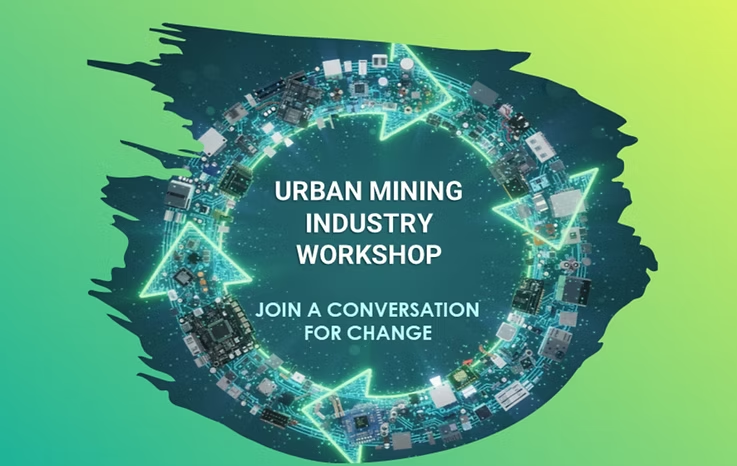
Urban Mining Workshop: Dr. Pete Goodrich attended the Urban Mining Industry Workshop, which brought together stakeholders from industry, academia, policy, and innovation to explore how emerging technologies, regulatory developments to strengthen sustainable manufacturing and critical resource security in the UK. The event showcased the latest advances in recovering and reusing critical materials while examining the challenges and opportunities associated with scaling urban mining solutions. Designed as a collaborative forum, the workshop provided valuable opportunities for knowledge exchange, and the development of partnerships that support a more circular and resilient resource economy.
Overcoming Barriers to the Clean Energy Transition in Northern Ireland:
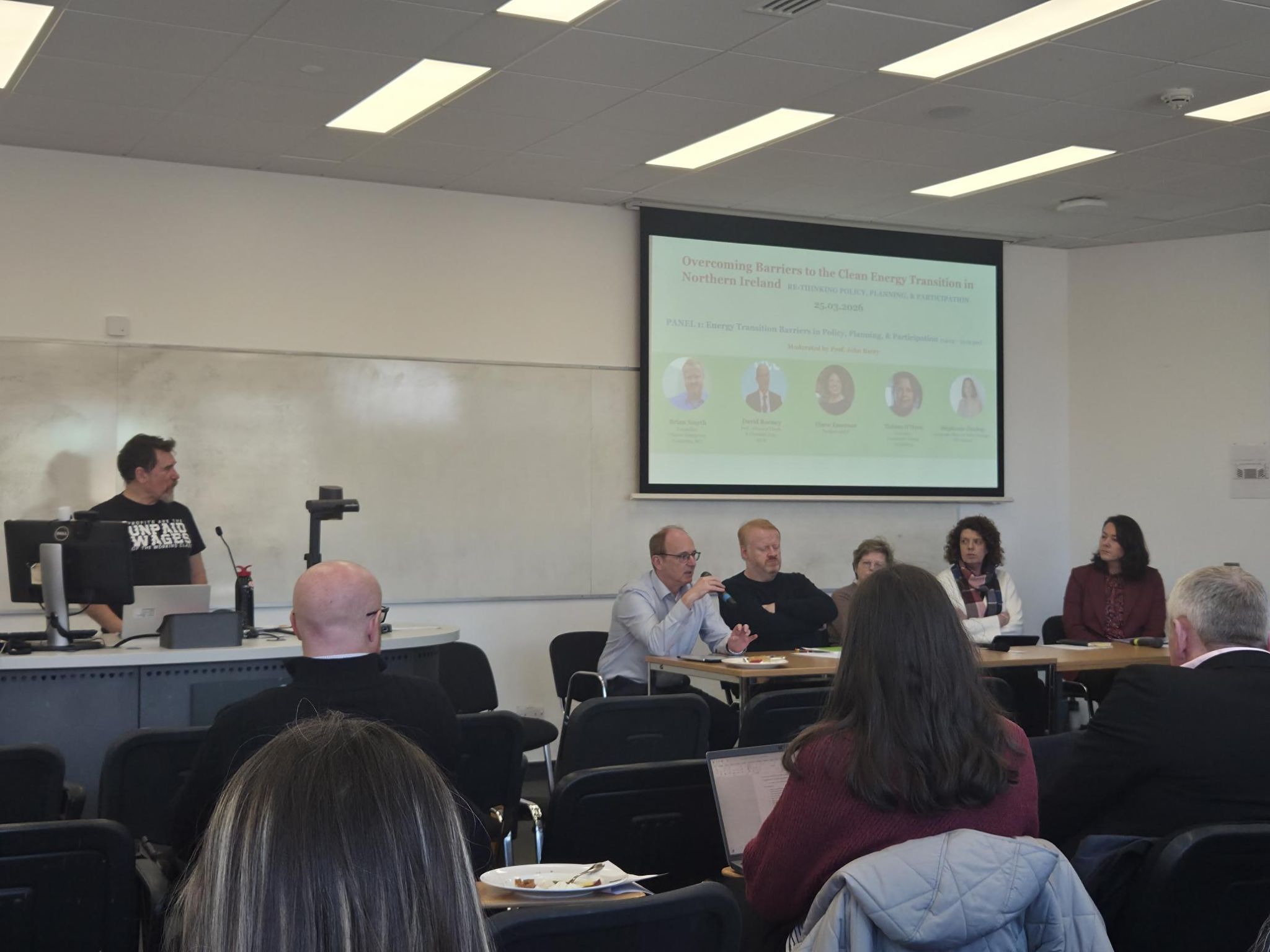
It was fantastic to see two of the iRECYCLE Co-Leads, Prof. David Rooney (Panel 1: Policy, Planning, & Participation) and Prof. Peter Nockemann (Panel 2: Actionable Pathways for Targets) sharing their expertise at the “Overcoming Barriers to the Clean Energy Transition in Northern Ireland” workshop on 25th March 2026, alongside industry leaders from B9 Energy, Arup, and International Synergies NI Ltd. Thanks to the organisers, Prof. John Barry and Dr. Dipali Mathur, for running such an interesting and engaging session.
Ayrton Midpoint Workshop:
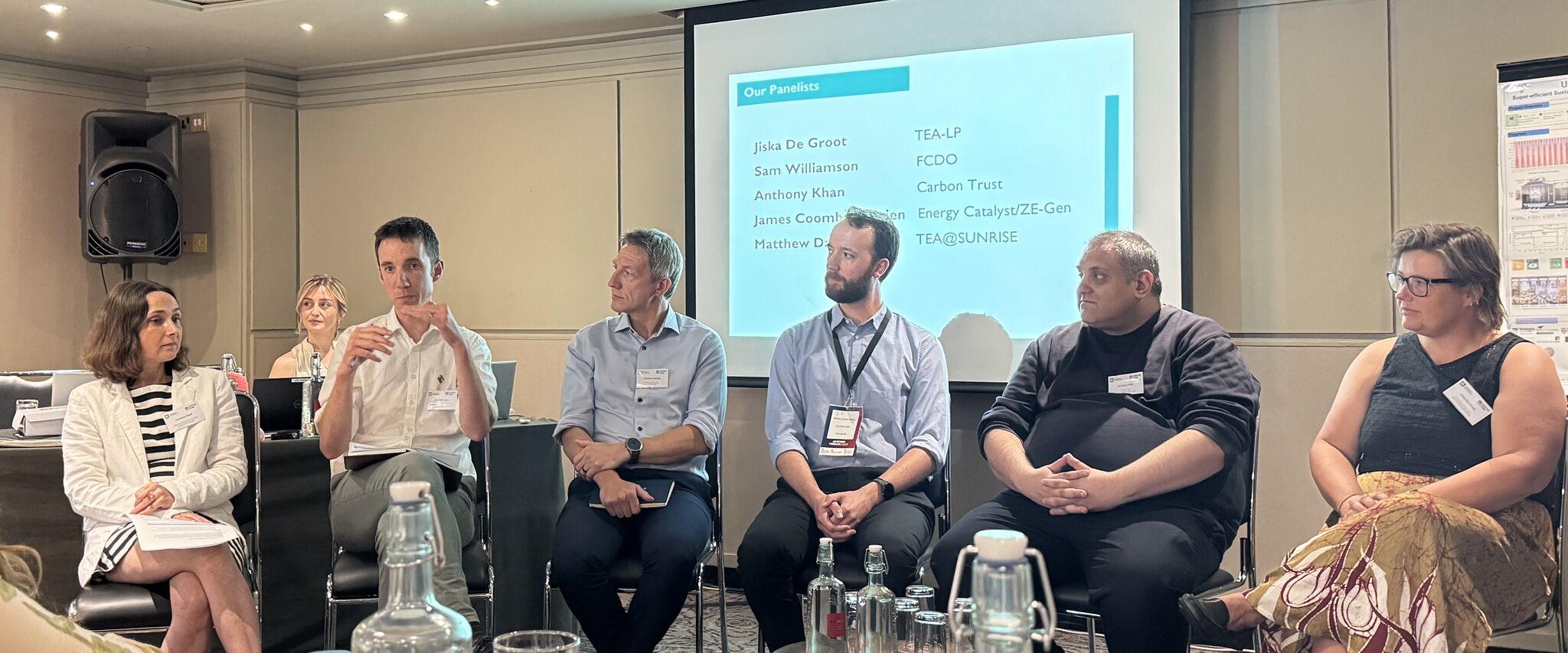
Principal Investigator, Prof. Peter Nockemann, joined the UK Research and Innovation Ayrton Fund Midpoint Workshop in London on Tuesday 23rd June 2026. It was a great opportunity to connect and hear more about the other 13 UKRI Ayrton Challenge Fund projects! Many thanks to the Ayrton team for organising the event.
Section 5: Hear from our International Co-Leads


“The first year of the iRECYCLE-Malaysia project has been focused on establishing the technical and collaborative foundations necessary for the successful development of a sustainable e-waste recycling process. Significant progress has been achieved through close engagement with industrial and academic partners, while refining the project’s technical direction.
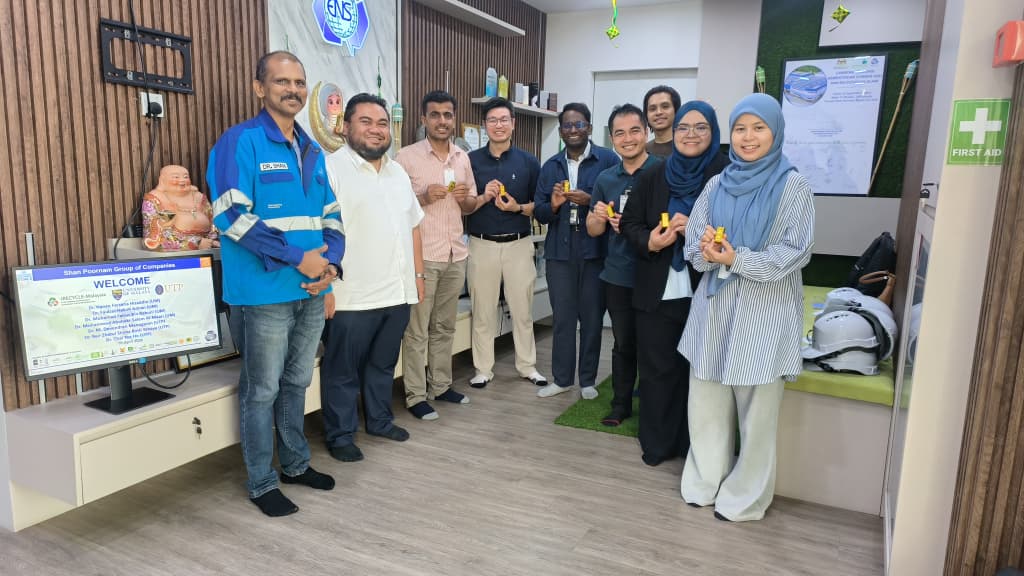
A key milestone was the engagement with Shan Poornam Metals, which provided valuable insights into current industrial practices and operational considerations for e-waste processing. These discussions helped ensure that the proposed process design remains relevant to real-world industrial requirements.
On the technical front, the team successfully finalized the preliminary process simulation models for the leaching and separation stages. These models now serve as the basis for evaluating process performance, identifying optimization opportunities, and guiding future scale-up activities.
The knowledge gained throughout the year has also provided a much clearer roadmap for the design and construction of the pilot plant. With the process flows and key operating parameters better defined, the project is now well-positioned to transition from conceptual design towards pilot-scale implementation.
An important highlight was the project team’s visit to Queen’s University Belfast (QUB), which strengthened collaboration among project partners and enabled in-depth technical discussions. The visit helped align expectations, refine research priorities, and establish a shared direction for the next phase of the project.
Overall, Year 1 has laid a solid foundation for the iRECYCLE-Malaysia project. The strong partnerships established, combined with the technical progress achieved, have positioned the consortium to confidently move into pilot-scale development and technology validation in the coming year.”
Dr. Hanee Farzana Hizaddin, International Co-Lead, Universiti Malaya
“For the past one year, UTP has successfully developed a new method for extracting metals from PCB using microbes. This route is ‘green’ and work is on-going to optimise its efficiency.”
Professor Cecilia Devi Wilfred, International Co-Lead, Universiti Teknologi Petronas
Section 6: What’s Next?

Looking ahead to Year 2: If Year 1 was about foundations, Year 2 is about evidence. Our separation and recovery chemistry moves out of small-scale trials towards continuous operation on real end-of-life feedstocks – electronic scrap and PCBs rather than idealised model systems – with recovery yield, product purity and solvent recyclability as the measures that matter. Life cycle and techno-economic assessment will run alongside the experimental work, so that environmental and cost claims rest on data while process design can still respond to them. Delivery will shift further towards Malaysia, with expanded activity at partner laboratories, continued exchanges in both directions, and closer engagement with Malaysian recyclers, regulators and industry. Our early-career researchers step into more visible roles, the schools engagement kit developed this year will be adapted for Malaysian classrooms, and our next project symposium, planned for December will again open the work to industry and policy audiences.
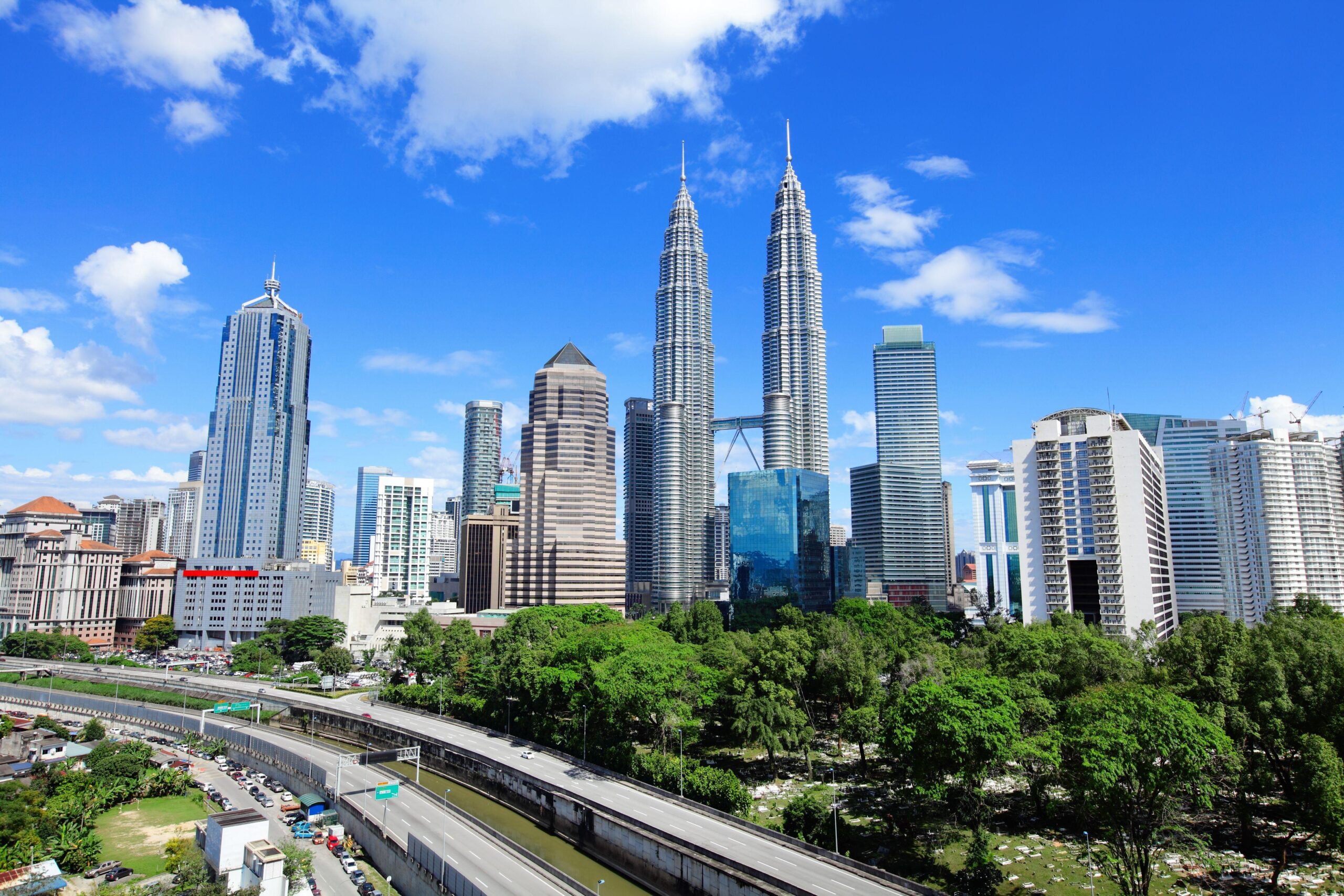
Symposium III, Kuala Lumpur: We look forward to our next Symposium, taking place in Malaysia in December 2026. This will be an opportunity to connect again with colleagues, share project updates and key achievements.
We also look forward to meeting with key industry partners and engaging with a wide variety of local stakeholders as part of our open symposium event. More information to follow.
Stay in touch!
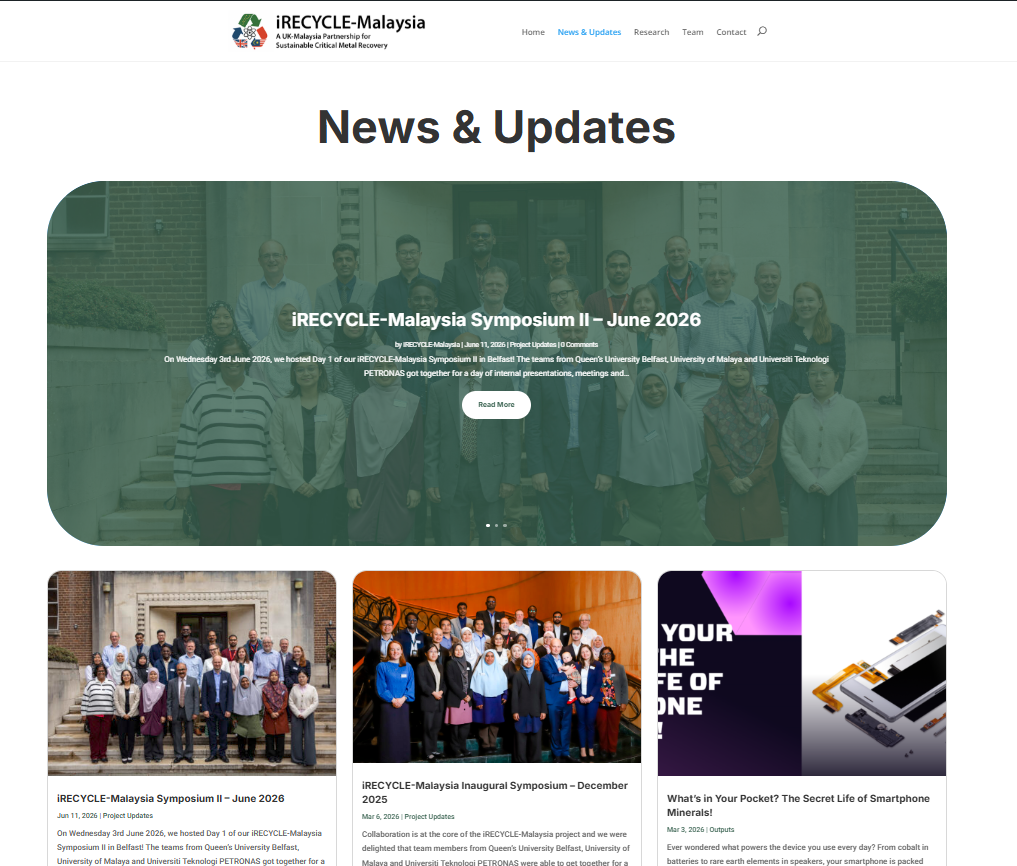
Visit our website’s News & Updates section for information and articles on project progress, events and other key updates
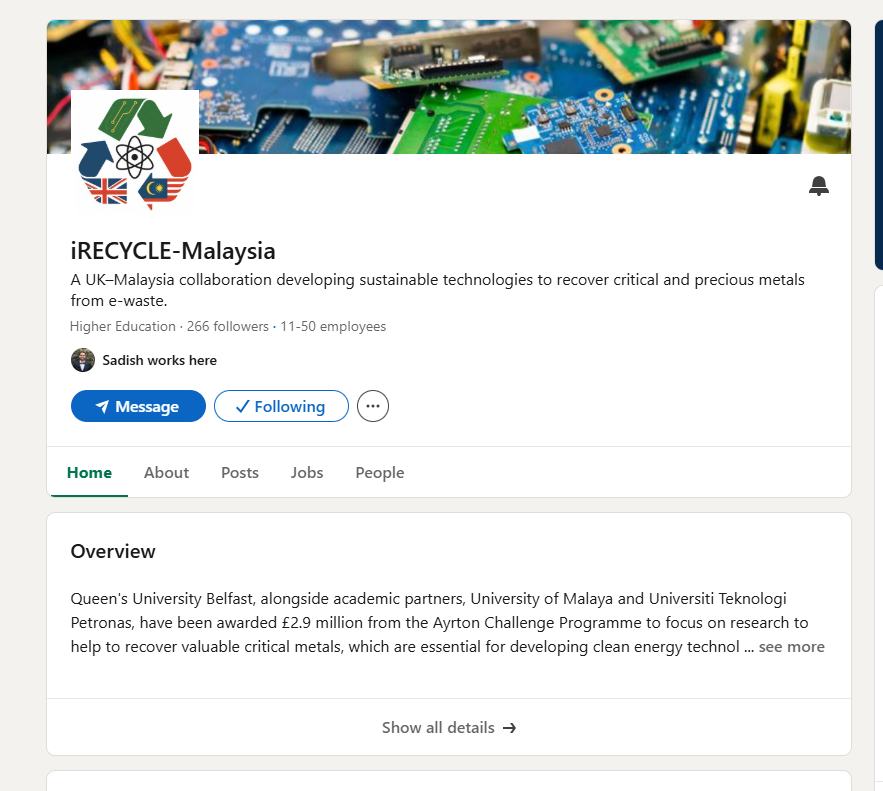
Take a look at our LinkedIn for the latest announcements, event highlights and other useful information
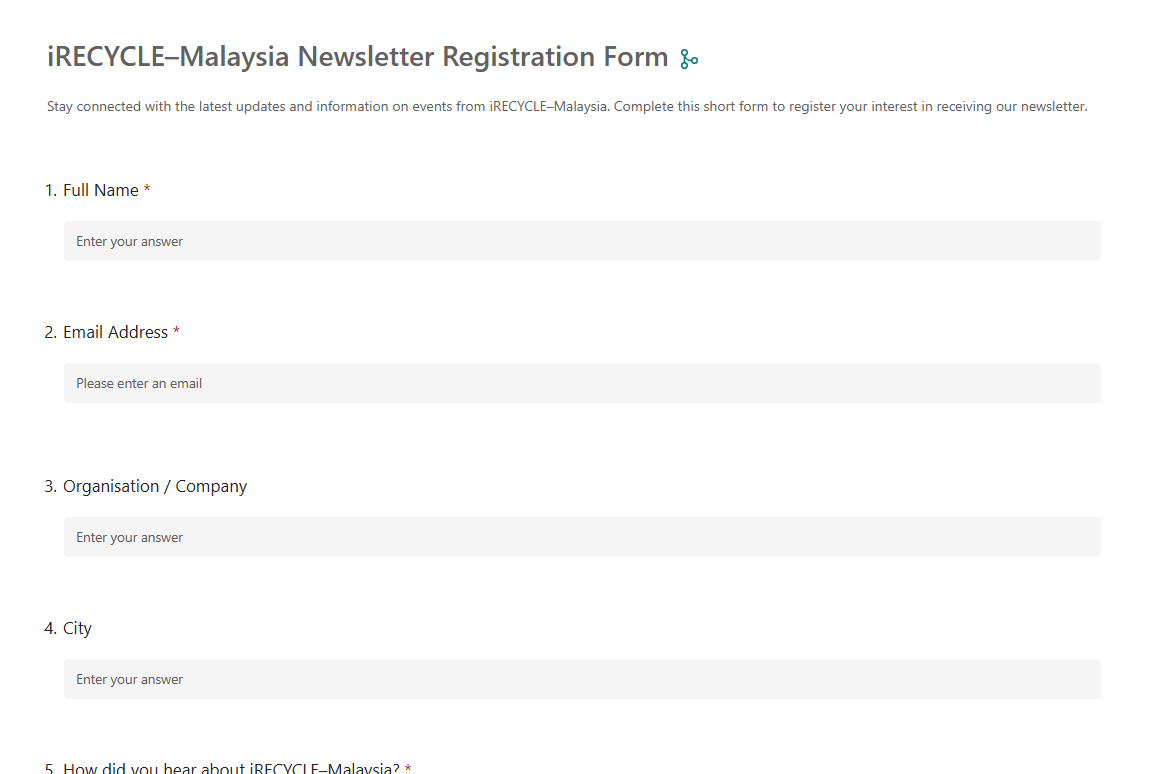
Sign up to our newsletter to ensure you getting the latest updates and information about the iRECYCLE-Malaysia project straight to your inbox
Together, we’re building a more sustainable future for electronic waste in Malaysia.
Thank you!
The UK Government’s Ayrton Fund, jointly managed by the Foreign, Commonwealth and Development Office, Department for Energy Security and Net Zero and Department for Science, Innovation and Technology, supports clean energy RD&D to accelerate the clean energy transition in developing countries. iRECYCLE-Malaysia is funded by the UKRI Ayrton Fund Challenge Programme, which promotes equitable partnerships between UK and in-country researchers to ensure projects are locally relevant and impactful.
Thank you to all our project partners for their support and investment in the iRECYCLE-Malaysia project. We look forward to continuing to work together.